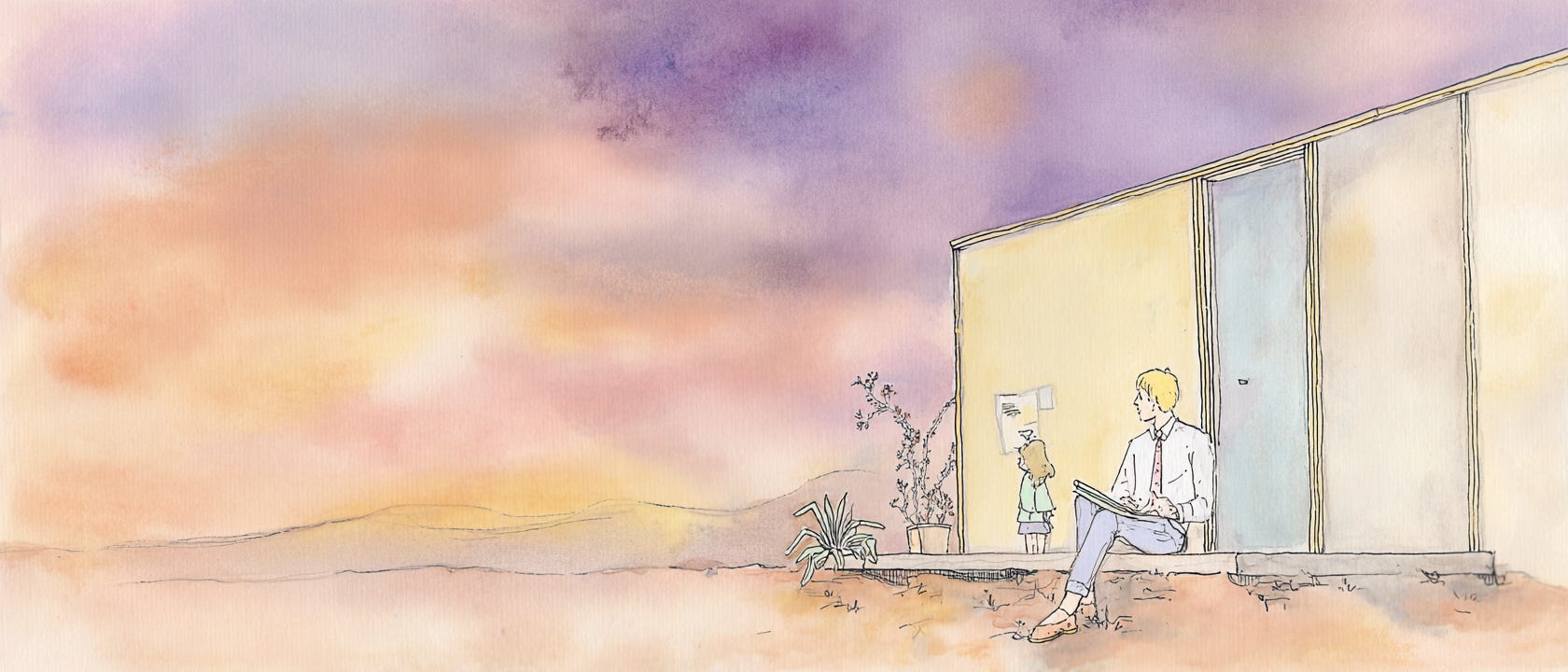
Heatwave

1936
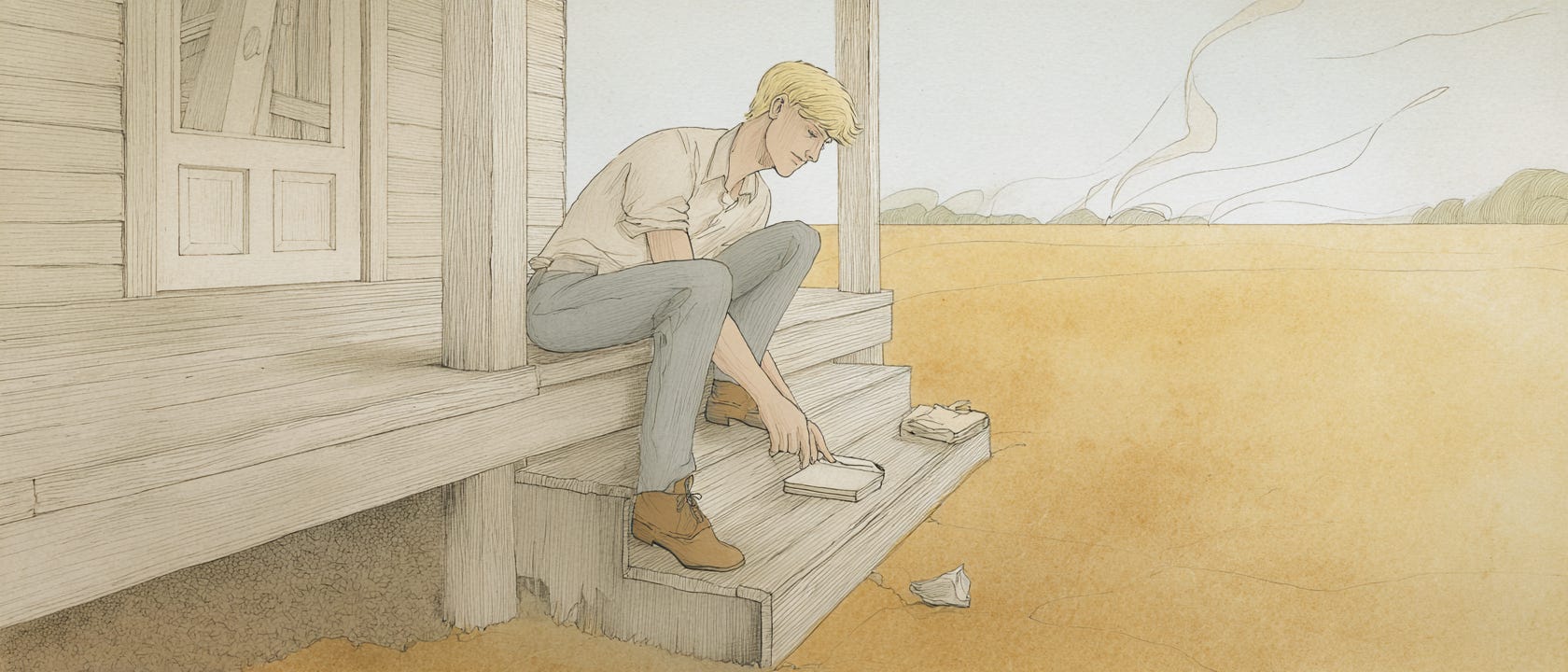
The wind howls over the cracked prairie like an angry old man who’s forgotten his own name. I sit on the porch of the Miller farmhouse, the wooden boards warm under my wrist, and I pull the secret notebook from beneath the bottom step. My mother says it’s silly to write the weather down, that the only reliable forecast is the look of the sky and the taste of the dust on our tongues. But the heat is a living thing now, an uninvited guest that refuses to leave. I write the day’s temperature, the color of the sky, the way the wheat bends until it snaps, the way my sister’s laughter has become thinner, like a single strand of hay pulled from the stalk.
I scrape the first page with a pencil: June 12, 1936 – 108°F. The sun is a furnace, the earth a griddle. The dust settles like ash on the kitchen table, and I can’t see the end of the day. I close the notebook and hide it beneath the loose floorboard where the mice have made their homes. My father says “it’ll cool down soon,” and I smile because I have no reason to doubt him; the world is still a place where promises are stitched into the very seams of a family’s hope.
The sun sets, and the air turns into a heavy blanket. I stare at the horizon, the red line where the sky kisses the land, and whisper to the wind: Someday, someone will read this, and they’ll know what we felt. The notebook is my secret testimony, my voice that won’t be swallowed by the dust.
Present
I’m standing on the balcony of my research lab in Phoenix, the heat wave marching across the desert like a convoy of steel trains. My kids are already sweating through their shirts, their faces slick with a sheen. I flip open the old, leather-bound journal that sat on my mother’s bookshelf for decades, its pages yellowed, its ink softened by time. My grandfather’s handwriting curls across the page like the prairie grasses he once wrote about. “It’ll cool down soon,” he wrote, in 1936, before the dust devils swallowed the Kansas sky.
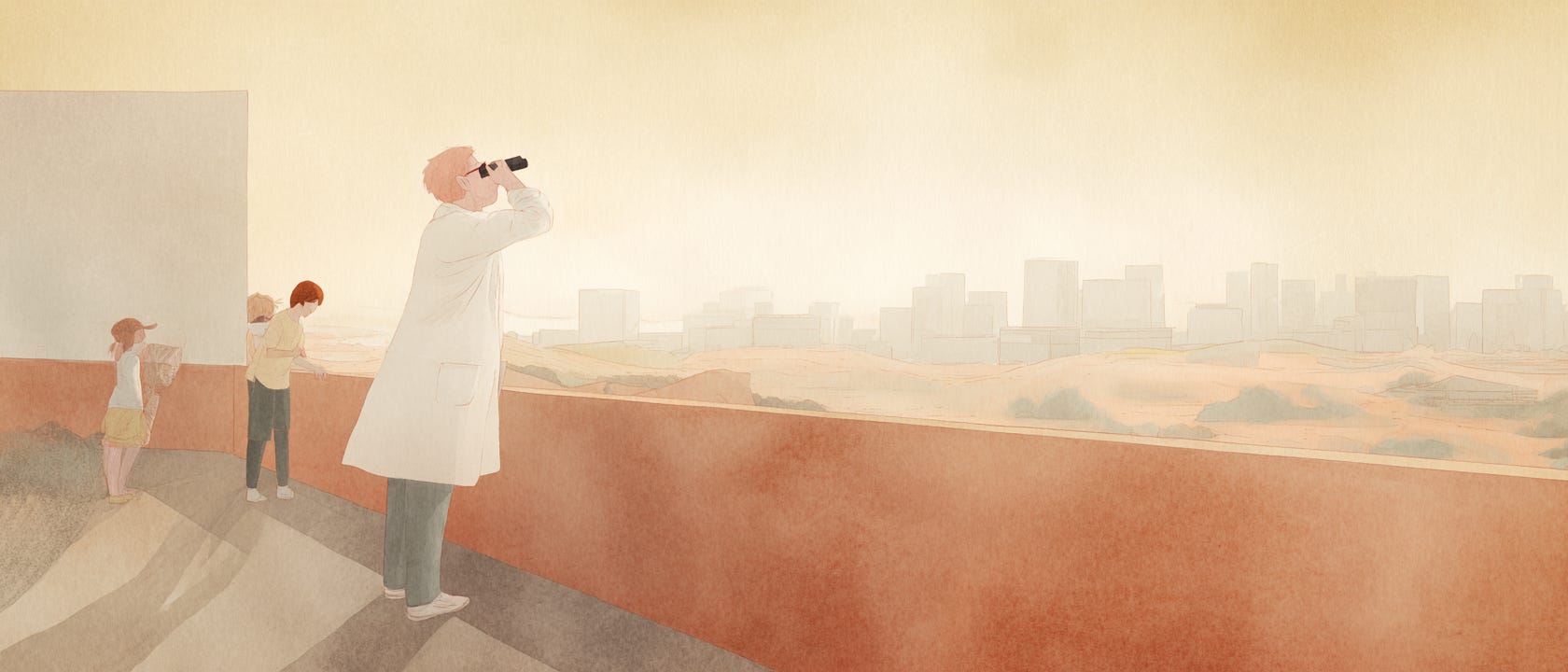
My own voice, trained in climate models and satellite data, screams a different kind of certainty: the heat will not simply “cool down” because we wait for it. It’s a symptom, a warning sign, a messaged etched into the planet’s skin. Yet as I pull my youngest son, Ethan, into the shade of the lab’s air‑conditioned hallway, I hear his small, hopeful voice repeat my grandfather’s refrain. “Grandpa said it’ll be cooler tomorrow.” My heart tightens like the grain of wheat bending in a windstorm, and I realize that the comfort we cling to is such a fragile thing, one that has crossed generations, a mantra carried on the backs of our ancestors.
I close the notebook and stare at the digital thermometer blinking 115°F on the wall. The numbers feel like a new kind of dust, infiltrating our lives in invisible particles, seeping into our skin, our lungs, our future. The metaphor of the dust bowl lives on in the haze that blankets Phoenix, an oppressive veil that both obscures and reveals. The dust of the past has become a data set; the heat of the present has become a graph. Yet both are testimonies to a world that can be both beautiful and brutal.
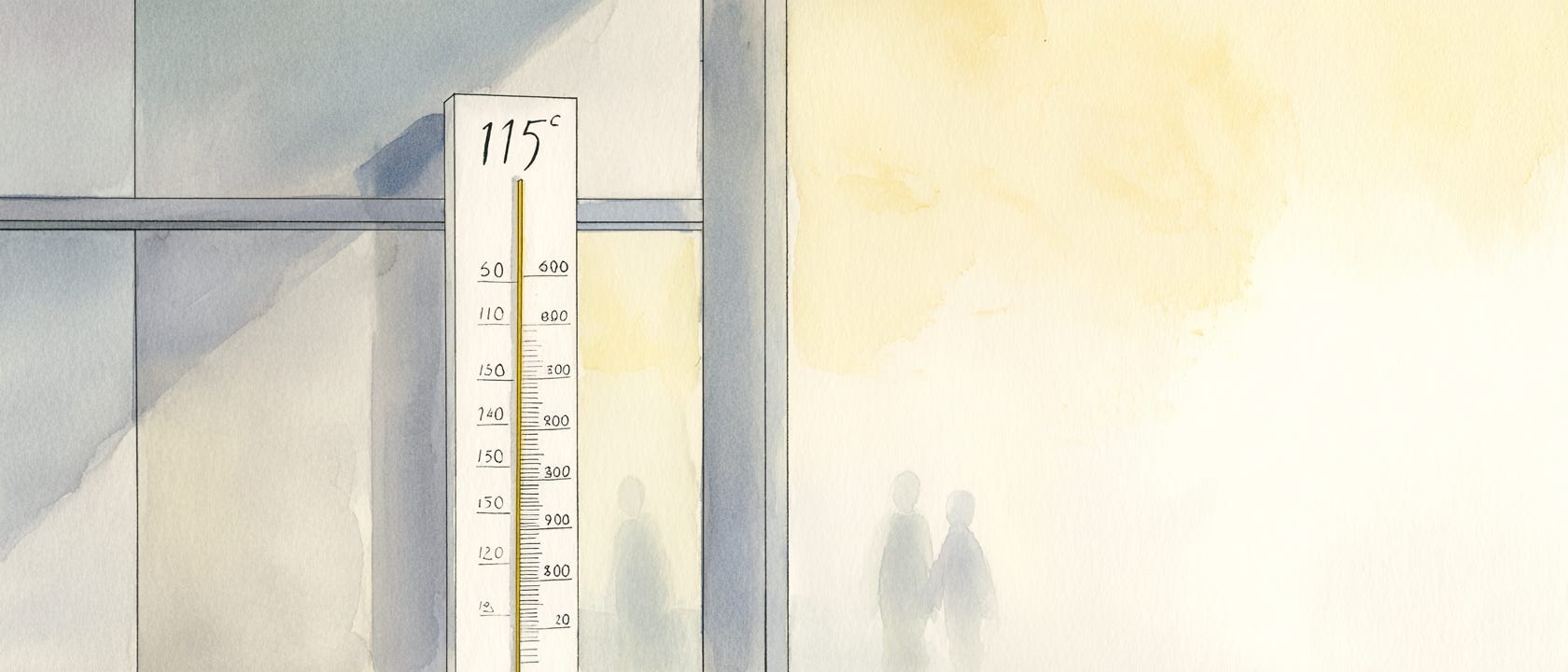
1936
The days stretch, each one a mile-long road of sun‑baked earth. I keep writing, page after page, noting how the river has shrunk to a trickle. The notebook becomes my sanctuary, a place where I can store the truth that no one says out loud. My grandmother warned me that “the land remembers,” and I can feel it in my fingertips when I pull a handful of soil; it’s gritty, it’s dry, it’s a whisper of the future.
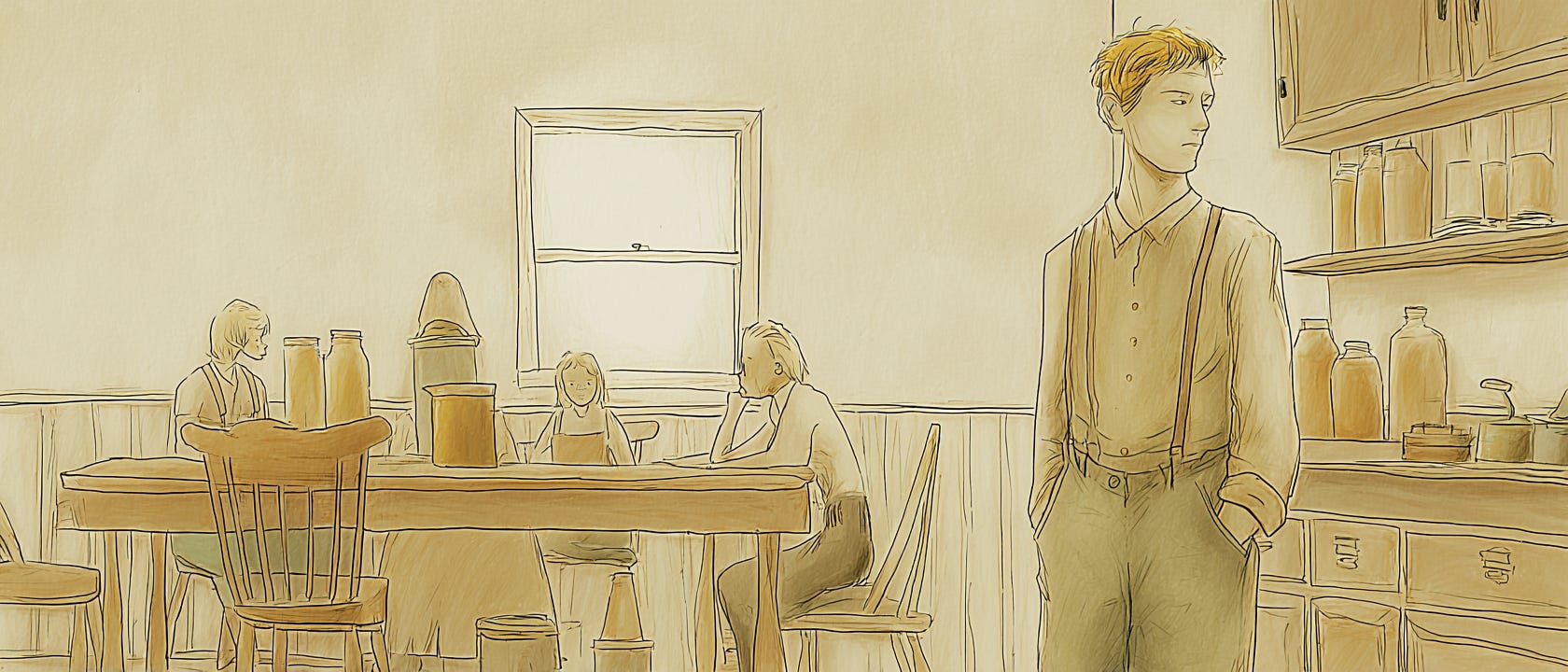
There’s a moment when my brother, Tom, returns home after a day of searching for water in the well. He’s coughing, his throat raw from the dust. He sits at the kitchen table and says, “Mama says the rain will come. We’ll get to plant again.” I look at his eyes, bright but clouded with desperation. I slip the notebook into my pocket and whisper to the empty room, “If we can’t make it cool down, maybe we can at least make it count.”
The night comes, and the wind finally drops, leaving a stillness that feels like a held breath. I write, Tonight the sky is a black quilt, the stars are tiny holes of light. Somewhere far away, a storm gathers. I believe it, because believing is the only thing we can control.
Present
The first siren of the emergency system blares across the city, a shrill reminder that we are not immune to the furnace outside. My partner, Maya, gathers our children, each clutching a small, worn notebook, one of my grandfather’s, the other a fresh journal I gave Ethan for his own observations. “We’re moving to the shelter on the north side,” she says, her voice steady but laced with the same old optimism that has kept our family moving through the heat for generations.
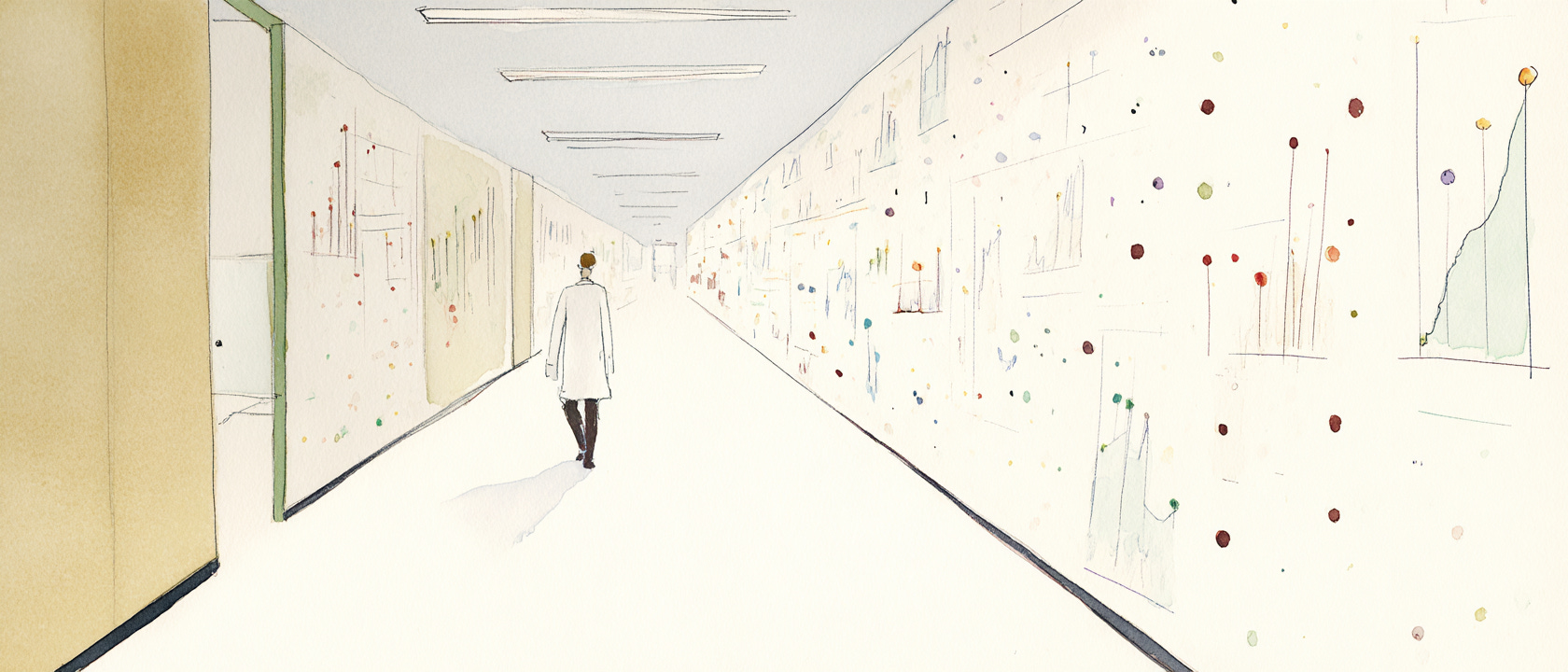
I walk through the lab’s hallways, past the humming machines that monitor atmospheric carbon levels, past the walls plastered with charts of historic droughts, some from Kansas, some from the Southwest. The data points rise like the dust devils of 1936, spiraling upward, refusing to settle. I think of my grandmother’s words: “The land remembers.” The Earth is remembering too, but it is doing so in a language of infrared radiation and oceanic heat content.
When we reach the shelter, the air is cooler, but only by a few degrees, a reminder that even hope can be measured. I open my grandfather’s notebook, the pages fragile under my fingertips. The entry for July 5, 1936 reads, “We prayed for rain, we sang hymns, we held each other’s hands. The wind howled, but the sun still burned.” My own notebook, opened to the same day, says, “The temperature peaked at 118°F.” The two entries sit side by side, a dialogue across time.
I turn to Ethan, who is tracing the lines of the older notebook with a small finger. “Grandpa believed the heat would end,” I say, “but he also believed in the power of recording. That’s why we write.” He looks up, his eyes shining with a mix of innocence and the weight of a world he only just begins to understand. “Will it ever cool down?” he asks.
I smile, feeling the weight of both my ancestors’ hope and my own scientific certainty. “Sometimes cooling down isn’t about the temperature dropping right away,” I answer. “It’s about the climate of our actions. If we plant enough trees, if we curb emissions, if we honor the land as our grandmother taught us, then the Earth can heal. Just like a field after the dust bowl, it takes time, but the roots eventually find water.”
1936
The rain finally comes, a sudden, fierce storm that turns the dust into a swirling river of mud. We run to the fields, our boots sinking in the soft, wet earth. I open my notebook, the pages now stained, the ink bleeding with the rain. I write, The sky opened. The world is sobered by water. The dust is gone, but the soil is hungry. We will sow again. The lesson is clear: after every drought, there is a chance for rebirth, but only if we remember how to tend the land.
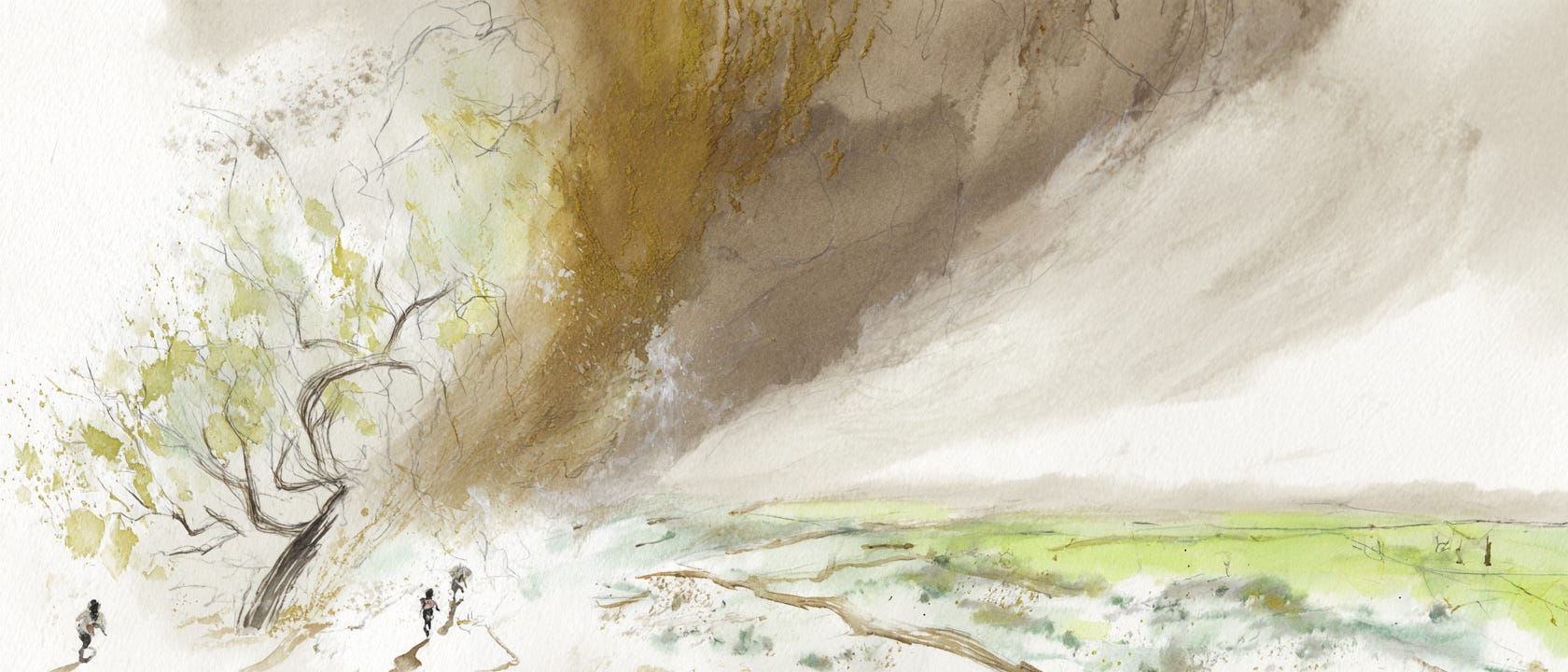
I stand under a cottonwood, its branches bending but not breaking, and think about the future, about the grandchildren who will never see this land as we know it. I close the notebook and hide it once more, hoping that one day, a child will find it and understand that the truth of a drought is not just heat and dust, but also the promise of perseverance.
Present
Months later, the heat wave wanes, the air finally allowing a cool breeze to slip through the desert’s concrete veins. The shelter doors open, and families step out, blinking into a sky that seems gentler, more forgiving. I sit on the porch of our temporary home, the notebook open on my lap. On one page, my grandfather’s last entry: “When the sun finally rests, we will rebuild.” On the next, my own: “When the heat finally rests, we must rebuild smarter.”
The lesson that has threaded through both of our lives is simple yet profound: droughts, whether of water, hope, or action, are not merely pauses but calls to listen, to record, to adapt. The belief that “it’ll cool down soon” can be a comforting lullaby, but it can also become a catalyst for change when paired with knowledge and resolve.
I look at Ethan, who is now drawing a picture of a field with both wheat and wind turbines, his crayons forming a bridge between his great‑grandmother’s prairie and the renewable future he hopes to inherit. I realize that the notebook we keep, whether ink on paper or data on a hard drive is a vessel for memory, for accountability, for the promise that we will not let the next generation inherit only the heat.
As the sun dips below the horizon, painting the desert in shades of amber and violet, I whisper to the wind, just as my great‑grandmother did decades ago: We have seen the blaze, we have felt the dust. May the coolness we seek be not just a temperature, but a climate of compassion, perseverance, and wisdom.